In recent decades, companies have radically transformed the way they operate, entering new markets, embracing emerging technologies, and rethinking processes that were once static and linear.
In this scenario, the ERP system has always acted as the organization’s central nervous system, the place where information and processes converge and from which strategic decisions originate. However, as the business evolves, so must the ERP.

What is an ERP system, and how does it simplify business operations?
ERP systems were created to address a long-standing organizational challenge: fragmented processes and siloed data. Before their introduction, each department, from logistics to finance, operated through its own disconnected procedures, creating misaligned data flows, redundancies, and transcription errors. This made it difficult, if not impossible, to gain a unified view of operations or to manage the organization efficiently.
ERP systems have introduced a single, centralized environment where data and processes are unified, enabling each department to work with real-time, shared information. As a result, ERP has simplified business operations through:
- Integrated workflows that eliminate unnecessary steps.
- Automation of repetitive tasks through business process hyper-automation.
- Standardisation of procedures.
- Stronger security and simplified compliance.
- Faster access to information and easier reporting.
Today, nearly every organization has an ERP system in place. The real question is no longer whether ERP is useful, but rather whether it can continue to support companies in increasingly volatile markets and help them unlock the full potential of today’s technological advancements.
That ability depends on several factors: functional scope, integration with external systems and technologies, readiness for ongoing innovation, and most importantly, the ERP’s ability to retain its original role as the central platform and single source of truth for enterprise data and processes.

New Business Challenges Demand Innovation
ERP today is no longer just about improving efficiency. Companies are facing new and more complex pressures, and they need a solid, integrated information ecosystem to stay ahead.
Consider a few examples: market volatility, rapid technological change, fierce competition, evolving regulations, and the growing importance of sustainability, not only in terms of environmental responsibility but also in reducing waste, optimizing resources, and generating positive impact for employees and communities alike.
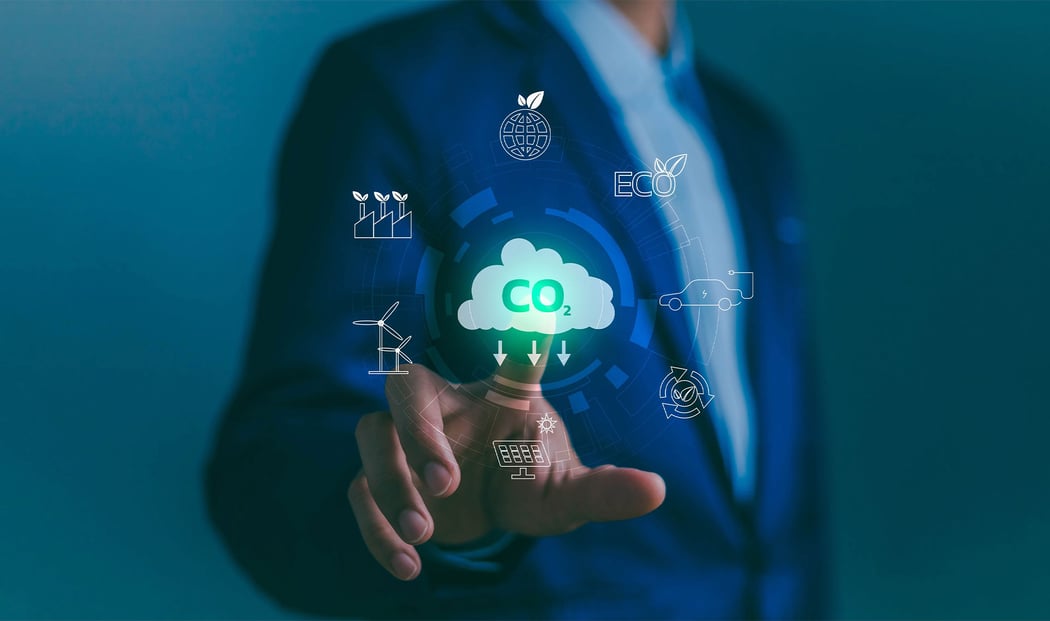
These goals are unattainable without a robust, integrated ecosystem, one that can, for example, turn environmental IoT sensor data or energy consumption data into real-time CO₂ emission estimates and actionable strategies to reduce them.
The risk in this context is the unchecked proliferation of vertical systems and specialized tools. While these may help organizations stay innovative, they can also undermine the simplification benefits that come from having a centralized system.
Extended ERP and Intelligent Automation: The New Frontier
To meet today’s challenges, a modern ERP cannot simply replicate its traditional functional perimeter. It must expand to cover processes typically managed by separate systems, integrating them into a unified ecosystem.
The Extended ERP for the Data-Driven Enterprise
What businesses need now is an extended ERP, a platform that still handles core production and financial and administrative processes but also extends control to areas like asset management, employee experience, sales operations, smart manufacturing, and sustainability tracking.
Modern ERP simplifies operations because, even in increasingly complex organizational environments, it connects with the entire enterprise. It integrates data from IoT sensors and digital twins to optimize production; leverages building management and collaboration tools to improve employee well-being and productivity and interacts with CRM and field service platforms to shorten sales cycles and boost customer satisfaction.
Innovation and AI at the Core
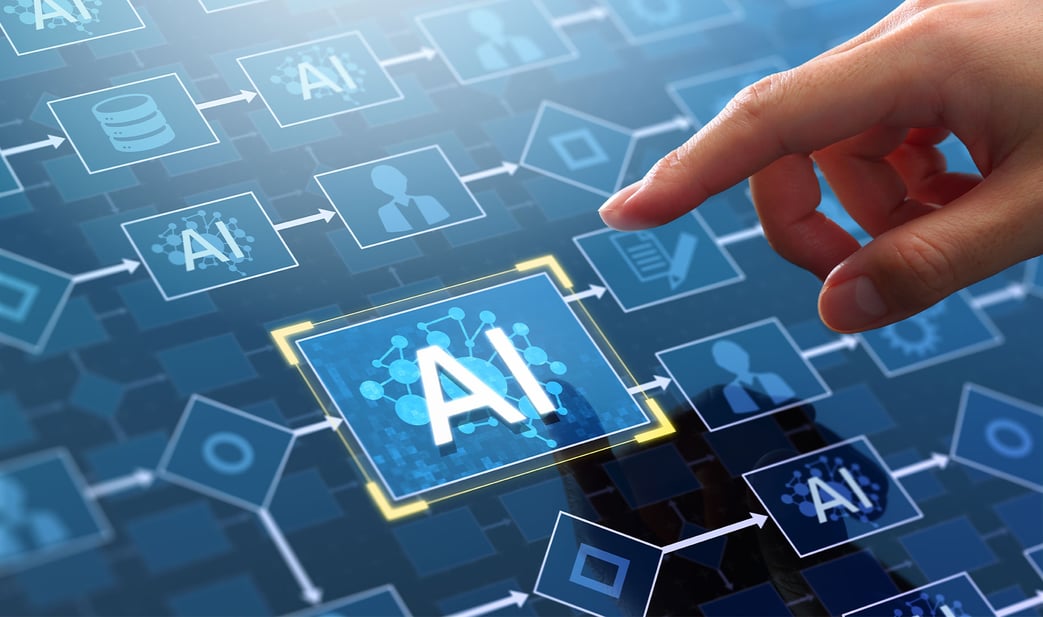
Next-generation ERP simplifies business processes by embracing innovation. Artificial intelligence, including generative AI, becomes a native component of the platform. It processes massive volumes of data, performs real-time analysis, automates complex workflows, offers proactive recommendations to decision-makers, and generates instant what-if analysis scenarios.
In doing so, the ERP brings intelligent automation to life, where repetitive tasks are executed without human input, and complex decisions are guided by accurate, actionable insights delivered in real time.
Avvale and the Path to the Intelligent Enterprise
At Avvale, we see ERP not just as the operational core of the business, but as the foundation for building the Intelligent Enterprise: a data-centric ecosystem that connects people, processes, and technologies in real time.
With decades of experience and a broad mix of competencies, we support enterprises on their 360° modernization journey, from boosting productivity and enhancing employee experience to redesigning supply chains for sustainability and resilience, while also enabling new circular economy-inspired operational models.
Each of these initiatives creates new processes and requires new tools. However, no innovation can afford to compromise on integration, and ERP remains the cornerstone of the enterprise information ecosystem. At Avvale, our solutions are not isolated tools orbiting the company’s tech stack: they are foundational building blocks, aligned with the organization’s long-term vision and strategic goals.

Unlock the Power of the Intelligent Enterprise
ERP is no longer just an operational system, it’s the engine of transformation.
Discover how Avvale can help you modernize your ERP, harness AI innovation, and build a connected, sustainable, and intelligent enterprise.